
Ask most e-commerce brand owners about their email marketing and they’ll tell you one of two things. Either they have automations set up but rarely send campaigns, or they send campaigns regularly but haven’t touched their flows since they set them up two years ago.
Both approaches leave significant revenue on the table. Understanding the difference between flows and campaigns — and how they work together — is the foundation of a high-performing email program.
What Are Email Flows?
Flows are automated email sequences triggered by subscriber behavior. They run in the background without any ongoing effort once they’re built and activated.
When someone joins your list, a welcome flow fires. When someone adds a product to their cart but doesn’t check out, an abandoned cart flow follows up. When someone completes a purchase, a post-purchase flow kicks in to thank them, set expectations, and encourage a second buy.
Flows are the backbone of your email program. They capture revenue from behavior that’s already happening on your site — people browsing, adding to cart, purchasing — and turn those moments into structured conversion opportunities.
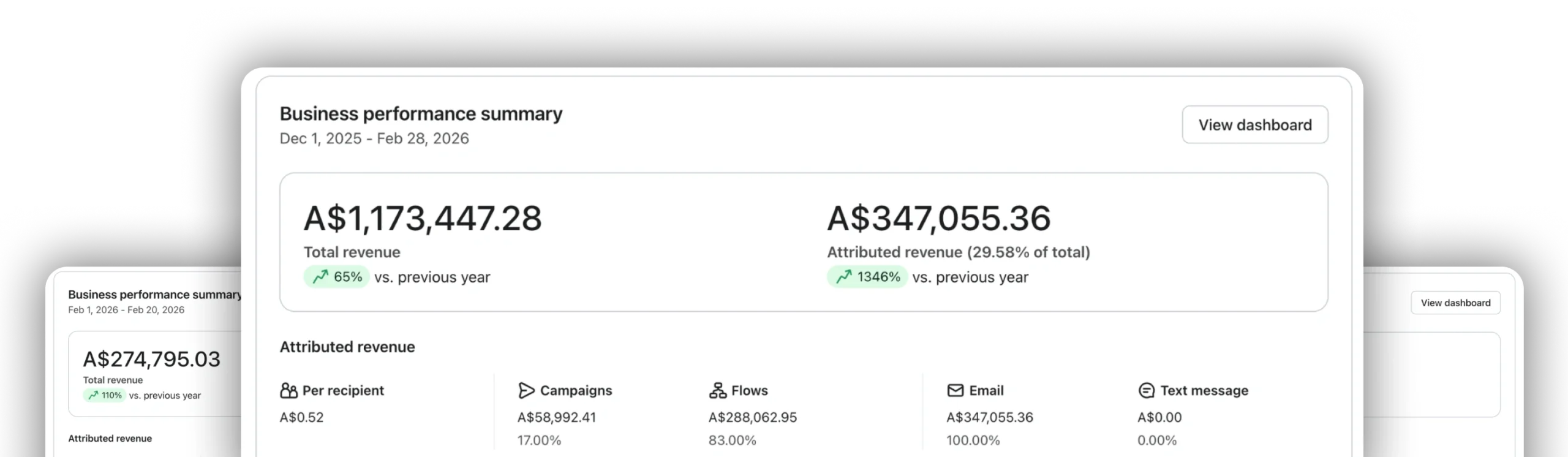
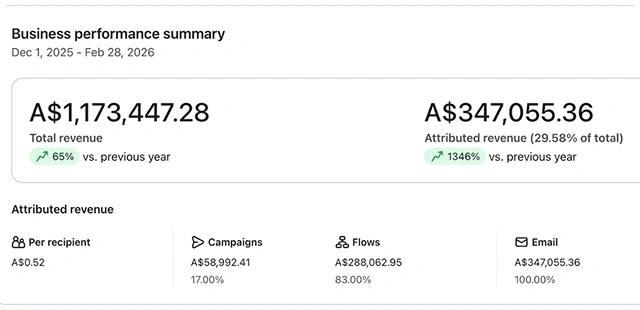
The brands we work with at YPM consistently see flows generate between 40% and 60% of total email revenue. That’s money coming in every day without anyone pressing send.
What Are Email Campaigns?
Campaigns are scheduled, one-time sends to your list or a segment of it. A product launch email. A seasonal promotion. A brand story. A curated collection. A re-engagement send to inactive subscribers.
Unlike flows, campaigns require ongoing effort. Someone has to write them, design them, and send them on a regular basis. That’s exactly why most brands deprioritize them — they feel like work, and when things get busy, they’re the first thing to get dropped.
But campaigns do something flows can’t. They keep your brand present and relevant to your audience between purchase moments. They give subscribers a reason to stay on your list even when they’re not actively shopping. And when done well, they drive significant revenue that sits on top of whatever your flows are already generating.
Why You Can’t Choose Between Them
Here’s the problem with relying only on flows. Automations are triggered by behavior, which means they only reach people who are actively doing something — browsing, abandoning, buying. Subscribers who aren’t in an active purchase cycle don’t hear from you. Over time, your list goes cold and your flows become less effective because fewer people are engaging with your brand.
Campaigns solve this. A consistent campaign calendar keeps your entire list warm, not just the active buyers. It builds brand familiarity, surfaces products people didn’t know you carried, and creates purchase intent where none existed before.
On the other hand, relying only on campaigns without strong flows means you’re constantly working to drive revenue manually. Every sale requires a send. You’re leaving money on the table from subscribers who were ready to buy but never got a timely, relevant follow-up.
The brands that win at email use flows to capture existing intent and campaigns to create new intent. Together they form a complete system.
The Core Flows Every Brand Needs
If you’re just getting your flow infrastructure in place, start with these four.
A welcome series introduces new subscribers to your brand, sets expectations, and moves them toward a first purchase. This is your highest-leverage flow because it reaches people at peak interest.
An abandoned cart sequence follows up with shoppers who didn’t complete their purchase. With the right timing and messaging, this flow alone can recover a meaningful percentage of lost revenue.
A browse abandonment flow re-engages subscribers who viewed products but didn’t add to cart. These are warm leads who need a nudge.
A post-purchase series thanks buyers, sets delivery expectations, introduces complementary products, and plants the seed for a second purchase. This flow is critical for building repeat customer behavior.
Building a Campaign Rhythm
For campaigns, consistency matters more than frequency. One well-crafted campaign per week is more effective than sporadic sends whenever you have a promotion to push.
A sustainable campaign calendar rotates through a few content types. Product-focused emails highlight specific items with strong copy and visuals. Educational content builds trust and positions your brand as an authority. Brand storytelling creates emotional connection. Promotional sends tied to seasonal moments or milestones drive volume.
The goal is to give your subscribers something worth reading every time you show up in their inbox. When you do that consistently, open rates stay healthy, unsubscribes stay low, and your list becomes an asset that appreciates over time.
The Bottom Line
Flows and campaigns are not competing strategies. They are complementary systems that serve different functions in your email program.
Flows work quietly in the background, converting subscribers who are already in motion. Campaigns keep your brand alive for everyone else, building the familiarity and trust that eventually turns passive subscribers into active buyers.
Running both consistently is what separates brands that treat email as an afterthought from brands that treat it as a revenue channel. The investment is the same either way — the difference is in how much of it you actually capture.